
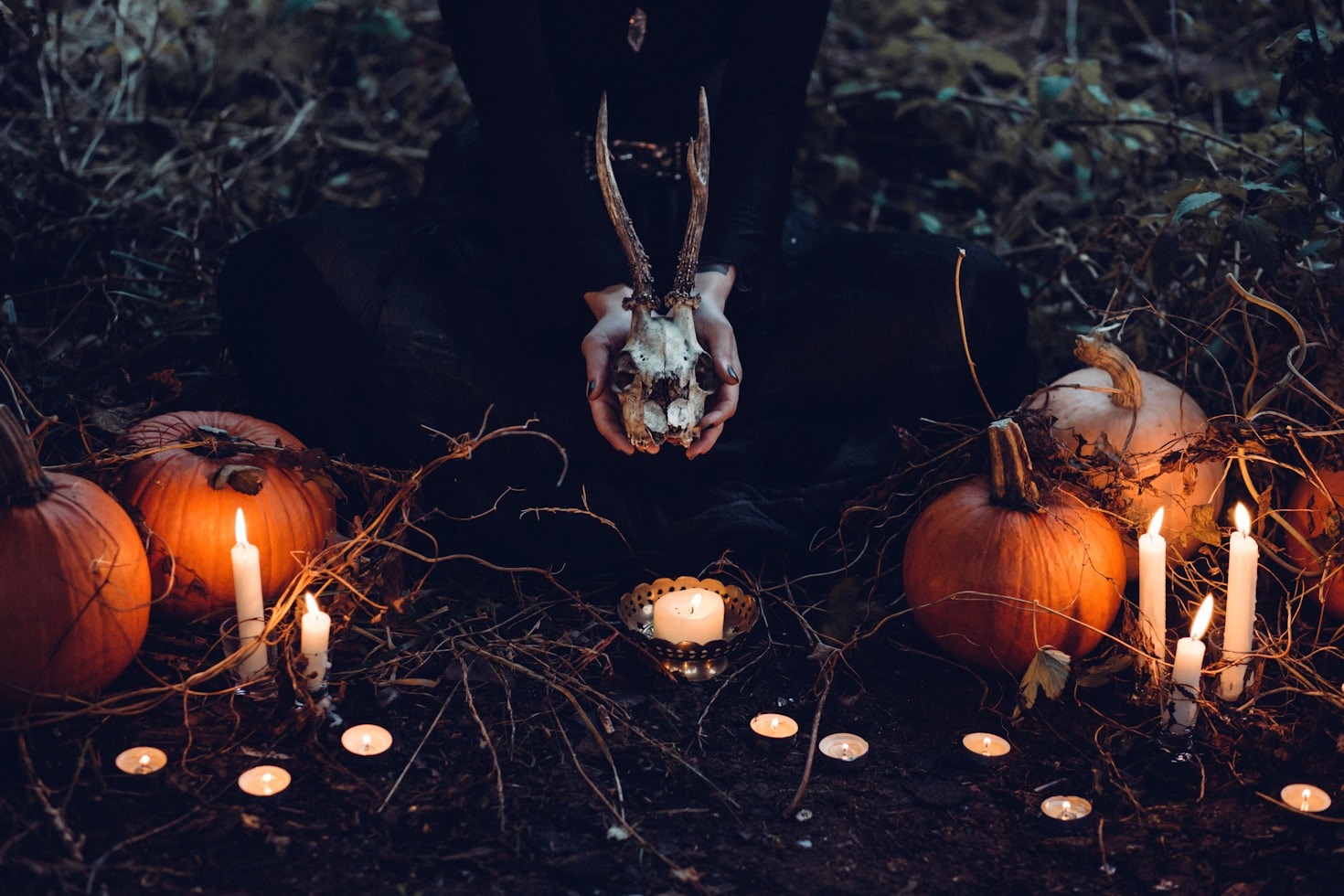
Witchcraft looks very different today than it did hundreds of years ago. While some practitioners still follow old traditions with herbs and symbols, others blend ancient wisdom with modern tools like apps, online communities, and even emojis in their spells. Modern witchcraft is a flexible practice that combines traditional rituals with contemporary methods, allowing you to personalize your spiritual path based on what feels right to you.
Modern witchcraft practices include everything from meditation and crystal healing to setting intentions and connecting with nature. You don’t need to follow strict rules or join a specific group to practice. Many witches today focus on personal growth, self-care, and mindfulness alongside their magical work.
The internet has changed how witches learn and connect with each other. You can find countless resources online, join virtual covens, and share experiences with practitioners around the world. Whether you’re curious about different types of witches or want to understand the core elements of modern witchcraft, today’s practice offers room for exploration and creativity.
Key Takeaways
- Modern witchcraft blends traditional rituals with contemporary tools and technology for personalized spiritual practice
- You can practice witchcraft through various methods including meditation, crystal work, nature connection, and intention setting
- Online communities and resources make it easier than ever to learn about witchcraft and connect with other practitioners
Core Elements of Modern Witchcraft
Modern witchcraft centers on personal empowerment through spiritual practices that connect you with nature, energy, and your inner wisdom. It blends ancient traditions with contemporary approaches to create a flexible path that adapts to your individual needs and beliefs.
Defining Modern Witchcraft
Modern witchcraft is a flexible and inclusive practice that adapts ancient traditions to fit your lifestyle today. Unlike rigid historical structures, it encourages you to personalize your approach based on intuition and creativity.
This practice has no centralized doctrine or authority. You can work alone as a solitary practitioner or join a group called a coven.
Modern witchcraft incorporates elements from ancient pagan traditions, ceremonial magic, and folk practices. It focuses on your connection with nature, the elements, and personal growth rather than following strict rules.
A modern witch emphasizes healing, self-discovery, and working with natural energies. You use tools and techniques that resonate with you personally, creating a practice that reflects your own spiritual journey.
Key Beliefs and Principles
Your practice likely includes a deep connection to nature and its cycles. Many modern witches celebrate the Wheel of the Year, which marks eight seasonal festivals called sabbats.
Core practices include:
- Magic and ritual work – You set intentions and manifest goals through spells, circle casting, and candle magic
- Divination – You use tarot cards, runes, or astrology to gain insight
- Energy work – You learn to sense and direct energy for healing and transformation
- Nature worship – You honor the earth and its rhythms
Personal empowerment sits at the heart of your craft. You take responsibility for your spiritual path and develop autonomy in your practice.
Some witches honor deities from various pantheons, while others work without deity worship. Your spirituality remains personal and self-directed.
Modern Witchcraft versus Historical Witchcraft
Historical witchcraft was often practiced in secret due to persecution during the witch trials. You now have the freedom to practice openly without fear of execution or imprisonment.
Traditional practices followed regional folk magic passed down through families and communities. These methods were often rigid and tied to specific cultural contexts.
Your modern practice blends multiple traditions freely. You can learn from different cultures and combine techniques that work best for you.
Technology has transformed how you practice. You can join online witchcraft communities, use apps for moon phases and astrology, and keep digital grimoires.
Historical witchcraft faced widespread misunderstanding and fear. Today you benefit from greater acceptance, though misconceptions still exist. Your focus on personal growth and nature connection differs from the harmful stereotypes that fueled historical persecution.
Types of Modern Witchcraft and Practitioners
Modern witchcraft encompasses various traditions ranging from structured religious paths to individualized spiritual practices. Practitioners organize themselves in different ways, from working alone to joining established groups, while many blend multiple approaches to create personalized magical systems.
Popular Witchcraft Traditions
Wicca represents one of the most recognized forms of modern witchcraft. This tradition emerged in the mid-20th century and typically involves ritual worship of a God and Goddess, celebrating seasonal festivals, and following ethical guidelines like the Threefold Law.
Modern Wicca often includes structured initiations and degree systems in some lineages. Neo-paganism and paganism serve as broader umbrella terms that encompass Wicca along with other earth-based spiritual practices.
Traditional witchcraft focuses on historical European folk magic practices. These practitioners research historical practices from their cultural backgrounds, adapting old techniques while maintaining connections to their heritage.
Dianic traditions center goddess worship and often create women-only spaces. Reclaiming witchcraft combines magical practice with social activism and community building.
Solitary and Group Practices
You can practice witchcraft alone or with others depending on your preferences. Solitary practice allows you complete freedom to develop your craft at your own pace without conforming to group requirements or schedules.
Many modern witches choose solitary work because it fits their lifestyle or personal beliefs. You can create your own rituals, choose which deities or spirits to work with, and experiment with different magical techniques.
Covens are organized groups of witches who meet regularly for rituals and magical work. Traditional covens often have specific membership requirements, hierarchical structures, and initiation processes. Some covens follow particular traditions while others develop their own practices.
Working in a coven provides community support, shared knowledge, and the energy of group ritual. The witchcraft community extends beyond formal covens through online forums, local meetups, and social media platforms like WitchTok where practitioners share knowledge and experiences.
Eclectic and Specialized Paths
Eclectic witchcraft allows you to combine elements from different traditions to create a practice that fits your needs. You might blend Wiccan ritual structure with folk magic techniques or incorporate practices from multiple cultures you have connections to.
Specialized types of witches focus their practice on specific areas. A green witch works primarily with plants, herbs, and natural magic outdoors. Kitchen witches transform cooking and home activities into magical practice, infusing meals with intention.
Hedge witches traditionally work between the physical and spiritual worlds, often practicing alone and focusing on herbalism and spirit communication. Crystal witches specialize in working with stones and minerals, while lunar witches time their magic according to moon phases.
You’ll find over 50 different types of witches in modern practice, including cosmic witches who work with planetary energies, tech witches who incorporate digital tools, and sea witches who connect with ocean magic. Most practitioners blend multiple specialties rather than limiting themselves to just one path.
Foundational Rituals and Magical Practices
Witchcraft relies on practical techniques that help you direct energy, create change, and connect with deeper spiritual forces. These core practices include working with spells and ritual tools, setting clear intentions, and maintaining energetic balance through regular cleansing.
Spellcasting and Spellwork
Spellcasting is the act of directing focused energy toward a specific goal or outcome. You create spells by combining intention, words, actions, and often physical items like herbs, candles, or crystals.
Your spellwork becomes more effective when you choose the right timing. Many practitioners align their spells with moon phases, days of the week, or seasonal shifts. Recording your spells in a grimoire helps you track what works and refine your magical practice over time.
Common Spellcasting Methods:
- Candle magic: Carving symbols into wax and burning candles to release intention
- Jar spells: Layering ingredients in containers to build or contain energy
- Spoken incantations: Using words and rhythm to focus your will
- Knot magic: Tying intentions into cord or thread
You don’t need elaborate materials to practice effective magick. Simple spells using household items can produce results when paired with clear focus and genuine intent.
Ritual Tools and Sacred Spaces
Your ritual tools serve as extensions of your will and help you focus energy during magical practices. Common tools include athames (ritual knives), wands, chalices, pentacles, and cauldrons. Each item connects to different elements and purposes within your practice.
Creating a sacred space gives you a dedicated area for rituals and spellwork. This can be a permanent altar or a temporary space you set up when needed. Your altar typically holds representations of the four elements, deity figures if you work with them, and tools you use regularly.
| Tool | Primary Use | Element Association |
|---|---|---|
| Athame | Directing energy | Fire or Air |
| Wand | Channeling power | Fire or Air |
| Chalice | Holding liquids | Water |
| Pentacle | Grounding energy | Earth |
| Cauldron | Transformation | Fire or Water |
You personalize your sacred space with items that hold meaning for you. Photographs, natural objects, and handmade tools often carry more power than expensive purchased items.
Manifestation and Setting Intentions
Setting intentions forms the foundation of effective magical practice. You must clearly define what you want to achieve before beginning any spellwork or ritual. Vague intentions produce vague results.
Visualization techniques strengthen your manifestation work. You mentally create detailed images of your desired outcome, engaging all your senses to make the vision feel real. The more specific your visualization, the more focused your energy becomes.
Write your intentions in present tense as if they already exist. Instead of “I want financial stability,” you would state “I have financial stability.” This linguistic shift aligns your conscious and subconscious mind with your goal.
Cleansing and Energy Work
Cleansing removes unwanted or stagnant energy from your body, tools, and spaces. You should cleanse regularly to maintain clear energy channels for your magical practices.
Effective Cleansing Methods:
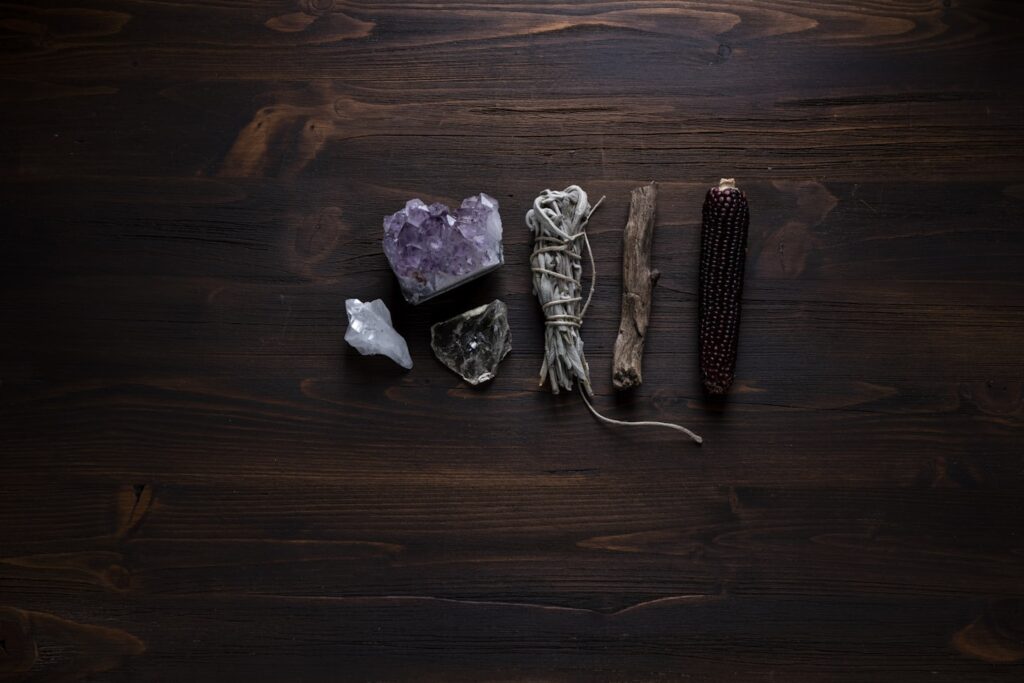
- Smoke from herbs like sage, rosemary, or mugwort
- Salt water or moon water
- Sound from bells, singing bowls, or clapping
- Visualization of white or golden light
Energy work involves sensing, moving, and directing subtle forces within and around you. Grounding and centering practices help you maintain energetic balance. Grounding connects you to earth energy, while centering brings scattered energy back to your core.
You develop energy sensitivity through regular practice. Start by feeling the energy between your palms, then expand your awareness to sense energy in objects, spaces, and other people. This skill improves all aspects of your spellcasting and ritual work.
Nature, Spirituality, and Connection
Modern witchcraft centers on building a deep relationship with the natural world through daily practices and seasonal observances. Practitioners use herbs, crystals, and lunar cycles to align their spiritual work with the rhythms found in nature.
Connecting with Nature
Your connection to nature forms the foundation of modern witchcraft practice. You can start by spending time outdoors observing plants, animals, and weather patterns in your local area.
Many practitioners develop their connection with nature through herbalism, learning which plants grow in each season and how to use them. You might create herbal remedies for common ailments or incorporate herbs and crystals into your spiritual work. Grounding practices help you feel more connected to the earth beneath your feet.
Common ways to connect with nature:
- Walking barefoot on grass or soil
- Tending a garden or houseplants
- Collecting natural items like stones, feathers, or leaves
- Observing wildlife in your area
- Working with elemental magic (earth, air, fire, water)
Your reverence for nature grows as you recognize yourself as part of a larger ecosystem. You don’t need to live in a rural area to practice nature-based spirituality. Even urban witches find ways to connect through windowsill gardens, local parks, or potted herbs.
Seasonal Celebrations and Sabbats
The Wheel of the Year marks eight seasonal celebrations that honor natural transitions throughout the annual cycle. You celebrate these sabbats to stay attuned to seasonal cycles and the changing energy of each time of year.
The Eight Sabbats:
| Sabbat | Time of Year | Focus |
|---|---|---|
| Samhain | October 31 | Honoring ancestors, endings |
| Yule | Winter Solstice | Rebirth of light, hope |
| Imbolc | February 1-2 | First signs of spring, purification |
| Ostara | Spring Equinox | Balance, growth, fertility |
| Beltane | May 1 | Vitality, passion, abundance |
| Litha | Summer Solstice | Peak power, manifestation |
| Lammas | August 1 | First harvest, gratitude |
| Mabon | Fall Equinox | Second harvest, balance |
Modern seasonal celebrations help you mark important transitions and reflect on your personal growth. Each sabbat offers unique opportunities for rituals, meditation, and connecting with the energy of that particular season.
Working with the Moon and Natural Cycles
Moon phases guide much of your magical timing and spiritual practice. You align your intentions and rituals with lunar phases to work with natural energy flows rather than against them.
The four main lunar phases and their uses:
- New Moon: Setting intentions, starting projects, planning
- Waxing Moon: Building energy, growth, attraction
- Full Moon: Peak power, manifestation, celebration
- Waning Moon: Release, banishing, letting go
You might track moon phases in a journal to notice how they affect your energy and emotions. Many practitioners perform specific rituals during each phase or simply spend time observing the moon. The connection between lunar phases and natural cycles extends to tides, plant growth, and animal behavior. By working with these rhythms, you develop a deeper understanding of timing in both nature and your personal life.
Tools, Symbols, and Spiritual Practices
Modern witchcraft relies on specific tools and practices that help practitioners connect with spiritual energies and focus their intentions. Tarot readings guide decision-making, meditation supports personal growth, deities provide spiritual connection, and digital platforms expand access to ancient practices.
Tarot and Divination
Tarot cards serve as one of the most popular divination tools in modern witchcraft. Each deck contains 78 cards divided into Major and Minor Arcana, with imagery that reveals insights about your life path and challenges.
When you conduct tarot readings, you’re tapping into your intuition to interpret the cards’ meanings. The practice helps with decision-making and self-reflection rather than predicting a fixed future. You can use spreads ranging from simple three-card layouts to complex Celtic Cross patterns.
Other divination methods include:
- Pendulums for yes/no questions
- Runes for guidance and wisdom
- Crystal balls for scrying and vision work
- Oracle cards for more flexible interpretations
Tarot cards have become increasingly popular in modern spirituality, serving both divination and personal growth purposes. You don’t need psychic abilities to read tarot. The cards work as mirrors reflecting your subconscious knowledge back to you.
Meditation and Mindfulness
Meditation forms the foundation of many spiritual practices in modern witchcraft. You use it to quiet your mind, raise energy, and connect with spiritual forces before ritual work.
Regular meditation practice strengthens your intuition and magical abilities. You might start with simple breathing exercises for five to ten minutes daily. As you advance, you can incorporate visualization techniques to manifest goals or journey to spiritual realms.
Mindfulness extends meditation into daily life. You practice being present during ordinary activities like cooking, walking, or tending plants. This awareness helps you notice energy shifts and recognize magical moments in everyday experiences.
Grounding and centering techniques prepare you for spellwork. You visualize roots extending from your body into the earth or imagine excess energy flowing away. These practices prevent exhaustion and keep you balanced after intense magical work.
Deities, Gods, and Goddesses
Many modern witches work with deities from various pantheons and traditions. You might connect with gods and goddesses from Greek, Norse, Celtic, Egyptian, or other mythologies based on your heritage or spiritual calling.
Some practitioners follow a patron deity who guides their practice. Others work with different deities depending on their magical needs. Moon goddesses like Artemis or Hecate support intuition and mystery work. Earth deities like Cernunnos or Demeter connect you to nature’s cycles.
You don’t need to worship deities to practice witchcraft. Some witches are atheistic and view gods as archetypal energies rather than literal beings. Others maintain devotional relationships involving offerings, prayers, and altar work.
Spiritual practices involving deities emphasize personal connection over dogma. You choose which gods to honor based on your experiences and spiritual needs. Research the traditional associations and stories of deities before working with them to show respect.
Digital Innovations in Witchcraft
Technology has transformed how you can practice witchcraft in the modern world. Virtual altars on tablets or phones let you practice discreetly when physical space is limited. You can use apps for moon phase tracking, spell timing, and digital grimoires.
Online communities connect you with other practitioners worldwide. You can join video circle ceremonies, attend virtual workshops, and share experiences through social media groups. This access democratizes knowledge that was once hidden or hard to find.
Digital tools for witchcraft include:
- Spell-tracking apps for recording results
- Meditation apps with guided practices
- Planetary hour calculators for timing magic
- Virtual tarot readers for quick guidance
You can livestream rituals, create digital sigils on drawing tablets, or maintain cloud-based Books of Shadows. Modern witches are empowered by the freedom to blend traditional practices with technological innovation. Some practitioners even charge crystals under computer screens or use binaural beats for trance work.
Community, Ethics, and Empowerment
Modern witchcraft thrives on ethical principles like the Wiccan Rede, supportive communities that connect practitioners, and practices that build personal power through manifestation and self-discovery.
Ethics and the Wiccan Rede
The Wiccan Rede guides modern witchcraft with its central principle: “An it harm none, do what ye will.” This ethical framework asks you to consider the impact of your actions on others and yourself before proceeding.
Harm none means you think through the consequences of your magical work and daily choices. You weigh whether your spells, rituals, or decisions might cause unintended harm to people, animals, or the environment.
Ethics and responsibility guide witchcraft practitioners in making informed and respectful decisions. You take personal responsibility for your craft rather than following rigid rules handed down by authority figures.
The Rede encourages you to live consciously and act with compassion. It promotes mindfulness in spellcasting, where you examine your intentions and the potential ripple effects of your magic on free will and wellbeing.
Building and Participating in Witchcraft Communities
Your witchcraft community offers connection with others who share your spiritual path. You can find these communities online through social media groups, forums, and virtual covens, or in person through local shops, festivals, and public rituals.
As a beginner witch, joining a community gives you access to experienced practitioners who can answer questions and share knowledge. You learn different techniques, discover new tools, and gain confidence in your practice through these connections.
Ways to engage with communities:
- Attend local meetups or full moon circles
- Join online discussion groups and share experiences
- Participate in seasonal celebrations and sabbats
- Volunteer at metaphysical shops or pagan events
You benefit from diverse perspectives within these spaces. Different practitioners follow various traditions, from Wicca to eclectic witchcraft, and you can explore what resonates with you while respecting other paths.
Personal Empowerment through Witchcraft
Modern witchcraft connects deeply with personal empowerment by putting spiritual authority in your hands. You make your own choices about beliefs, practices, and how to connect with the divine or natural forces.
Manifestation plays a key role in this empowerment. You use spells, visualization, and intention-setting to bring desired outcomes into your life. This process teaches you that your thoughts and actions have power to shape your reality.
Your craft encourages self-reflection and personal growth. Through practices like meditation, journaling, and shadow work, you examine your patterns, heal past wounds, and develop self-awareness.
Empowerment areas in witchcraft:
| Practice Area | How It Empowers You |
|---|---|
| Spellwork | Teaches you to set clear intentions and take action |
| Divination | Helps you trust your intuition and inner wisdom |
| Ritual | Creates sacred space where you honor your needs |
| Herbalism | Connects you with natural healing and self-care |
You reclaim control over your spiritual journey without needing intermediaries or external validation.
Modern Challenges and Social Impact
You face practical challenges in modern witchcraft practice, including ethical sourcing of materials like white sage and crystals. Many practitioners now seek alternatives to endangered or culturally appropriated items, choosing juniper, rosemary, or locally grown herbs instead.
Witchcraft practices today emphasize positive aspects like celebrating nature, healing work, and building supportive communities. You participate in a shift from historical persecution to modern acceptance and empowerment.
Your practice can extend to social justice and activism. You apply the harm none principle to broader issues like environmental protection, equality, and human rights. Many witches engage in activism informed by their spiritual values.
You also navigate misconceptions and stigma that still exist around witchcraft. Building understanding through education and open dialogue helps normalize your practice in mainstream society.
Frequently Asked Questions
Modern witchcraft draws from ancient traditions while adapting to contemporary lifestyles through personalized practices. Beginners can access resources through books, online communities, and scholarly research to understand how witchcraft has evolved into a recognized spiritual path.
What essential principles should a beginner in modern witchcraft understand?
You should know that witchcraft is a spiritual practice rooted in using energy, intention, and nature to create change. It’s not one-size-fits-all, and you can view it as a religion, personal practice, or lifestyle depending on your preferences.
Modern witchcraft encourages personalization rather than following strict rules. You’ll focus on connecting with nature, energy, and your inner self through practices like spellwork, rituals, herbalism, and divination.
Your practice can include as much or as little faith-based elements as feels right to you. There’s no wrong way to practice modern witchcraft since it emphasizes individual experience over institutional structure.
Which books are recommended for learning contemporary witchcraft rituals and spells?
You’ll find numerous resources designed specifically for beginners in witchcraft. Many comprehensive guides cover spells, rituals, and magical practices suitable for practitioners at all experience levels.
Look for books that provide foundational knowledge about modern witchcraft practices and beliefs. The best resources will explain how to adapt ancient traditions to fit your modern lifestyle.
You should seek out materials that cover both theoretical concepts and practical applications. Books that include information on ritual work, spellcasting techniques, and nature-based practices will give you a well-rounded foundation.
Who are some prominent figures in the current witchcraft community?
The modern witchcraft community includes writers, practitioners, and teachers who share their knowledge through various platforms. These individuals contribute to the growing body of resources available for those interested in the craft.
You’ll find prominent voices in magazines like Vogue, which has featured articles about modern witchcraft and its place in contemporary spirituality. Practitioners like Gabriela Herstic have helped define witchcraft as a spiritual path rooted in earth cycles, cosmos, and self.
Many influential figures share their practices through online platforms, books, and courses. You can connect with teachers who offer guidance on everything from basic principles to advanced magical techniques.
How is witchcraft integrated into modern-day spirituality and practice?
Witchcraft in the 21st century serves as an antidote to fast-paced, technology-driven life by providing connection, purpose, and spiritual fulfillment. You can use it to reconnect with natural cycles, moon phases, and life rhythms.
The practice allows you to explore spirituality through meditation, spellcasting, or nature connection. You’ll find that modern witchcraft provides a framework for expressing your beliefs in ways that resonate personally with you.
You can practice alone or join a coven based on your preferences. The flexibility of modern witchcraft means you can pick and choose elements from different traditions to create a practice that fits your life.
In what ways does society perceive and interact with individuals who identify as witches today?
Modern society increasingly accepts witchcraft as a legitimate spiritual path. According to NBC, it’s one of the fastest-growing spiritual practices in America, with approximately 1.5 million practitioners.
You’ll notice that contemporary depictions of witches emphasize aesthetics, beauty, and positive attributes rather than negative stereotypes. Modern witches are often shown in fashionable attire with accessories that blend contemporary and mystical symbolism.
The perception has shifted from fear and misunderstanding to recognition of witchcraft as a peaceful practice. You can now find witchcraft-related content on mainstream platforms like TikTok, where communities discuss various aspects of the craft openly.
Where can one find scholarly research or discussions regarding the historical evolution of witchcraft into its modern form?
You can access scholarly research on witchcraft’s evolution through academic texts that examine its historical origins and modern expressions. These resources trace how ancient practices have integrated with contemporary spirituality.
Academic discussions explore how witchcraft differs from its perception a century ago in the Western world. You’ll find research on works like “The Witch in the Western Imagination” by Lyndal Roper, which examines historical artistic depictions and cultural fears surrounding witches.
Survey data and demographic studies provide insight into the growth of witchcraft practices. You can find information showing that approximately 800,000 people identify as Wiccans in the United States, with the broader witch community being significantly larger.